
There is a certain relief that comes with opening a box and finding that what you ordered is already assembled. No extra parts or an instruction booklet that reads like a puzzle. No second-guessing whether something was tightened correctly or aligned the right way. The structure is complete from the start. Each step builds on the one before it, and when the conditions are right, the system functions predictably. That process, however, is not ideal for everyone. Bone volume, tissue health, medical history, and surgical tolerance all influence who can move forward with the traditional implant process. A one-piece dental implant represents a different structural concept. It is manufactured as a single unit rather than assembled from separate parts.
At Atkins Dental Clinic, we include this option in our implant solutions because its structure can open the door for more people to pursue care. Expanding access is not an afterthought. It is part of the reason we offer it.
What Is a One-Piece Dental Implant?
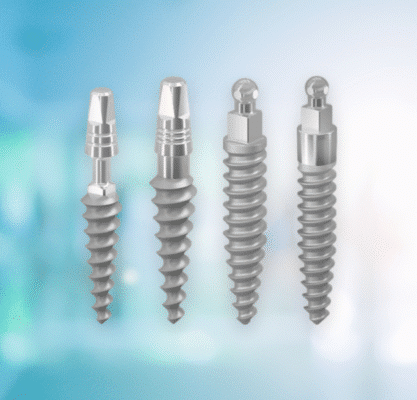
One-piece dental implants, also known as mini dental implants, are manufactured as a single solid unit. The portion that anchors into the jawbone and the portion that extends above the gumline are not separate components.
Most traditional implants are built differently. A conventional multi-piece implant system typically includes three parts. The first is the implant post placed into the jawbone. Over time, the bone bonds to its surface, creating a stable foundation.
The second part is the abutment, a small connector that attaches to the top of the implant and rises above the gumline. The third part is the prosthesis, which may be a crown, bridge, or denture.
How Treatment Changes With One-Piece Implants
With a traditional multi-piece implant, treatment often unfolds in stages. The initial procedure places only the implant post beneath the gum tissue. After a healing period, the clinician reopens the gums to remove a cover screw, attach the abutment, or place a healing cap. Once the tissue adapts and shapes around the abutment, impressions or digital scans are taken. The final restoration is fabricated and secured at a later appointment.
A one-piece implant changes that sequence. Because the implant and abutment are already integrated, the post that will support the restoration is visible at the time of placement. Soft tissue heals around this built-in extension without a second procedure to uncover the implant or attach a separate connector. In many cases, a temporary tooth can be placed the same day or shortly afterward.
One-piece implants are often narrower than standard implants, in some cases nearly half the diameter. That reduced width supports a more conservative placement technique. Dr. Aaron does not need to peel the gum tissue back to expose the bone. Instead, he creates a small pilot opening directly through the gum and into the jaw.
Preparation typically involves a single, narrow pilot drill. Then, Dr. Aaron threads the implant into place. Its self-tapping design allows it to advance through the bone under controlled pressure, shaping its own path as it moves into position. Only a minimal amount of bone is removed during this process.
This approach limits soft tissue disruption and reduces bleeding and postoperative swelling.
The Benefits of a One-Piece Dental Implant
In many implant systems, a microgap sits at or very close to the top of the jawbone, where the implant meets the surrounding tissue. The bone at this level is what supports and stabilizes the implant long term.
This small space can collect bacteria and fluid. Once bacteria settle inside that junction, routine brushing cannot easily reach them. Normal chewing forces can also cause subtle movement at the connection, allowing fluid to move in and out over time.
When bacteria remain at this level, the surrounding tissue responds. The immune system reacts to bacterial toxins, leading to inflammation in the gum tissue around the implant. If the inflammatory response continues and begins to affect the supporting bone, it can progress to peri-implantitis. At that point, the issue is no longer limited to the gums. It involves the bone that supports the implant.
A single-unit design does not make an implant immune to infection. Daily hygiene and regular professional care are still important.
What it does is remove the tiny seam where two separate parts would normally connect. Without that seam at the top of the bone, there is one less space for bacteria to collect. That design reduces the factors that can contribute to inflammation, even though it does not eliminate them entirely.
Review Your Implant Options at Atkins Dental Clinic
A one-piece dental implant offers a distinct structural approach. For some patients, that difference changes what is possible.
At Atkins Dental Clinic, we include this option because we understand that not every patient fits neatly into the traditional implant process. If you have been told you are not a candidate, or want to explore your implant options, contact us today. Book a free implant consultation to explore your options.
