
When many of us consider implant surgery, we may picture the most involved version of the process. We envision gum incisions, drilling, stitches, and a long healing period before a replacement tooth is even placed. For many patients, that mental image creates a pause. Implant treatment starts to feel like something they may consider someday, but not right now.
Mini dental implant surgery tells a different story. Mini implants are much smaller than traditional implants, often roughly half the diameter, so Dr. Aaron can use a more conservative placement technique. In many cases, he does not need to make a large gum incision or place stitches. He creates a small opening, places the implant, and preserves more of the surrounding tissue. For patients who have kept implant treatment at arm’s length, that detail can change the question from “Can I handle implant surgery?” to “Could this be more manageable than I thought?”
What Makes Mini Dental Implant Surgery Less Invasive?
A traditional dental implant uses a two-piece system. The implant body is first placed in the jawbone. Later, the dentist attaches a separate connector, called an abutment, to link the implant to the crown.
Because traditional implants have a larger diameter, placement often requires a more complex surgical approach. The dentist may need to make an incision in the gum tissue, access the underlying bone, and close the area with sutures afterward. Many patients also need a bone graft first if the jawbone has lost volume over time. From the first procedure to the final restoration, the process can take several months.
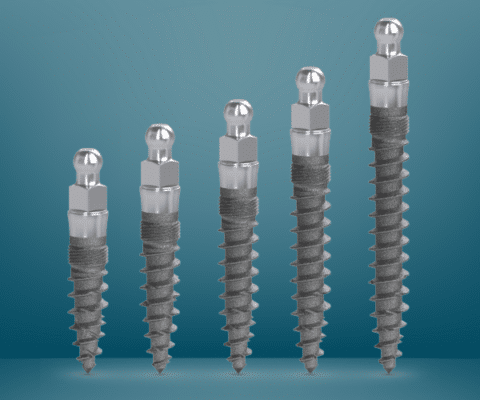
Mini dental implants work differently. Each implant is one continuous piece of titanium, so the post and attachment are already connected. There is no separate abutment to place later.
Mini implants are also much narrower than traditional implants, and that smaller size changes how Dr. Aaron can place them. He creates a small pilot hole and inserts the implant without making a large gum incision or folding the tissue back. The surrounding tissue remains largely intact, making the procedure far less invasive.
Mini implants are also self-tapping, meaning the threads guide the implant into the bone as Dr. Aaron places it. The bone does not need extensive reshaping to receive the implant. As the implant threads into position, it gains a firm hold right away. With less disruption to the gum tissue and bone, the body has less healing work to do afterward. For many patients, that difference can mean a more comfortable recovery and a shorter wait before they can use their new teeth.
How Smaller Implants Expand Your Treatment Options

Limited bone in the jaw is one of the most common reasons patients are told they do not qualify for traditional dental implants.
After years of wearing dentures or living with missing teeth, the jawbone can shrink. Larger implants require sufficient bone to hold them securely, so bone loss can lead to recommendations for grafting before treatment begins. For many people, that means another procedure, additional healing time, and a longer path to replacement teeth.
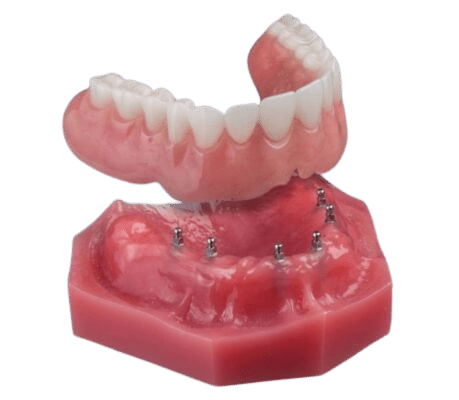
A smaller-diameter implant can make a meaningful difference when bone volume is limited. Dr. Aaron can often place mini implants in areas where a traditional implant may not fit. In many cases, patients can avoid grafting altogether.
More people may qualify for mini implant trreatement than they expect. Older patients who want to avoid lengthy or complex surgery may appreciate the more conservative nature of mini dental implant placement. Long-term denture wearers may also benefit, especially if they want a more stable foundation without an added surgical step. Patients who have already been told they do not have enough bone for conventional implants should ask Dr. Aaron about mini dental implants before ruling out treatment altogether.
Ask Dr. Aaron About Mini Dental Implant Surgery
Mini dental implant surgery can make tooth replacement feel more approachable, especially for patients who worry about a lengthy or invasive procedure. Since mini implants are smaller, Dr. Aaron can often place them with less disruption to the surrounding tissue and fewer surgical steps. For many patients, that may mean a more manageable experience, a shorter healing period, and a way to avoid bone grafting.
Patients who have delayed implant treatment, worn dentures for years, or been told they do not have enough bone may still qualify for mini dental implants. Schedule a free consultation with Dr. Aaron to learn what options may work for you.
